
Jet Ski / PWC Financing: Warranty, Accessories & Bundling
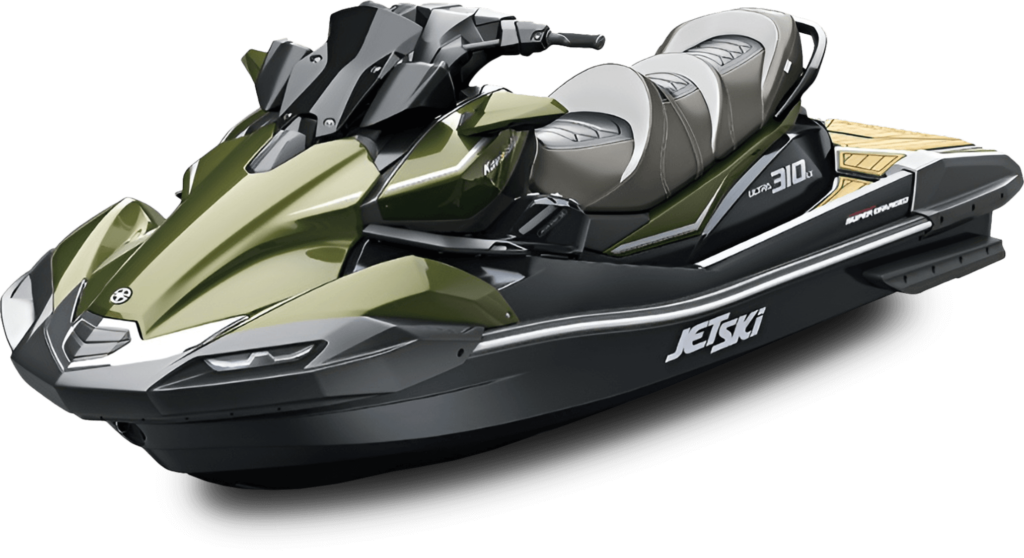
Canadian personal watercraft sales exceed 12,000 units annually generating $180 million in revenue, yet 56% of buyers overpay by $3,000-$6,000 through poor financing structures, unnecessary warranty purchases, and dealer accessory markups that transform $12,000 jet skis into $20,000 debt burdens. This comprehensive guide exposes the hidden economics of PWC financing, from warranty value analysis to accessory bundling strategies, revealing how strategic purchasing saves thousands while avoiding the dealer profit maximization tactics that plague recreational watercraft buyers. Table of Contents: The Problem: Why PWC Purchases Exceed Budgets by 40-60% The Bundle Pressure Tactics Dealerships transform simple PWC purchases into complex package deals by bundling warranties, accessories, and services that inflate prices 30-50% while obscuring individual component costs through confusing presentations. The consumer protection research reveals average PWC transactions include $4,000-$7,000 in add-ons generating 60% profit margins for dealers versus 8% on base units. The four-square manipulation technique confuses buyers by simultaneously negotiating price, trade value, payment, and add-ons in a grid format that enables number shuffling. Reducing PWC price by $1,000 gets offset by warranty additions. Improving trade values comes with accessory requirements. Lower payments hide extended terms. This shell game exhausts buyers who eventually accept packages to escape prolonged negotiations. Understanding this tactic enables resistance through separate component negotiations. Bundle pressure tactics employed: The warranty ambush occurs after price negotiations when exhausted buyers meet finance managers pushing extended coverage, gap insurance, and service contracts. These products generate 50-80% commissions motivating aggressive sales tactics. “Protecting your investment” sounds responsible. “Factory recommended” seems official. Monthly payment additions appear minimal. Yet these products often duplicate existing coverage or provide minimal value at premium prices. This secondary sales process extracts profit from buyers who successfully negotiated base prices. Accessory markup exploitation reaches extremes with dealers charging $800 for $300 covers, $1,500 for $600 sound systems, and $400 for $150 safety equipment. Installation labor at $150/hour for 30-minute tasks adds insult. “Packages” bundle multiple accessories claiming discounts while still maintaining 200% markups. Financing these inflated accessories means paying interest on dealer profits. A $3,000 accessory package at 10% over 5 years costs $3,800 total—for $1,200 in actual products. The Warranty Value Illusion Extended warranties and protection packages sold aggressively during PWC purchases rarely provide value proportional to costs, with 67% never generating claims equaling premiums paid while duplicating manufacturer coverage. The warranty analysis data shows PWC extended warranties averaging $1,500-$2,500 return only $400-$600 in average claims, representing terrible insurance economics. The coverage duplication deception occurs when dealers sell extended warranties that overlap manufacturer warranties without clearly explaining redundancy. Year one of a three-year extended warranty provides zero additional coverage on new PWCs with manufacturer warranties. Buyers essentially purchase two years of coverage for three-year prices. Some components remain covered under separate manufacturer warranties regardless. This overlap means paying for protection already possessed, enriching dealers through buyer ignorance. Warranty value destroyers: The exclusion revelation shocks warranty holders discovering most common PWC problems aren’t covered. Wear items like impellers, batteries, and cables get excluded. Damage from “improper use” voids coverage despite normal operation causing issues. Water ingestion, common in PWCs, might be excluded. Cosmetic damage doesn’t qualify. Performance modifications void everything. Reading fine print reveals warranties cover unlikely catastrophic failures while excluding probable minor issues owners actually experience. Claims process frustration deters warranty usage even for covered issues through bureaucratic obstacles and delays. Pre-authorization requirements before repairs. Specific dealer service mandates despite inconvenient locations. Documentation demands proving maintenance compliance. Depreciation arguments reducing reimbursements. These barriers mean owners often pay out-of-pocket rather than fighting warranty companies, making expensive coverage worthless through practical inaccessibility. The Seasonal Pricing Manipulation PWC pricing and financing fluctuates dramatically seasonally, with spring buyers paying 20-30% premiums while fall purchasers access clearance pricing, yet emotional buying patterns concentrate purchases during highest-cost periods. The seasonal pricing analysis documents April-May prices averaging $2,000-$3,000 higher than October-November for identical models. The spring fever exploitation leverages excitement about upcoming summer to extract maximum prices from eager buyers. Everyone wants PWCs for Memorial Day weekend. Inventory limitations create urgency. Dealers know demand peaks enable premium pricing. Financing rates increase with loan volume. This perfect storm of demand, limited supply, and emotional pressure creates worst possible purchase conditions precisely when most shop. Seasonal pricing patterns: Model year transition manipulation confuses buyers about whether current or incoming models provide better value. Dealers push old inventory claiming “last chance” while simultaneously promoting new models as “must-have upgrades.” Reality: minimal changes between years for most PWCs. Previous year models, especially in fall, offer exceptional value with full warranties. New model premiums rarely justify marginal improvements. Understanding model cycles prevents overpaying for newness or missing clearance opportunities. The storage cost leverage in fall creates seller motivation as dealers face winter carrying costs for unsold inventory. Floor plan interest accumulates monthly. Storage space needs clearing. Insurance continues regardless. These pressures motivate aggressive pricing and financing incentives. Buyers willing to store PWCs through winter gain tremendous negotiating advantages. Offering to take delivery immediately for storage saves dealers thousands, translating to better prices and terms. The Hidden Cost Multiplication PWC ownership involves registration, insurance, storage, maintenance, and equipment costs that collectively exceed loan payments, surprising buyers who budgeted only for monthly financing obligations. The ownership cost research calculates annual PWC expenses at $3,000-$5,000 beyond financing, meaning $300 monthly payments become $600+ total obligations. The insurance shock hits hardest as PWC coverage costs 3-5% of value annually—triple automotive rates. A $15,000 PWC requires $750 insurance minimum. Young operators face $1,500+ premiums. Performance models cost more. Liability-only provides minimal savings. This insurance burden, undisclosed during sales, strains budgets already stretched by financing. Many buyers discover insurance costs after purchase, forcing difficult decisions about coverage levels or ownership continuation. Hidden annual costs accumulating: Marina and storage fees surprise non-boating buyers who didn’t realize PWCs need expensive homes. Summer docking runs $200-$500 monthly. Winter storage costs $500-$1,500. Trailer purchase adds $2,000-$3,000 if not bundled. Daily launch fees accumulate quickly. These location costs weren’t mentioned during sales focusing on payment affordability. The