
Selling with a Lien: How Payouts Work & What Docs You Need
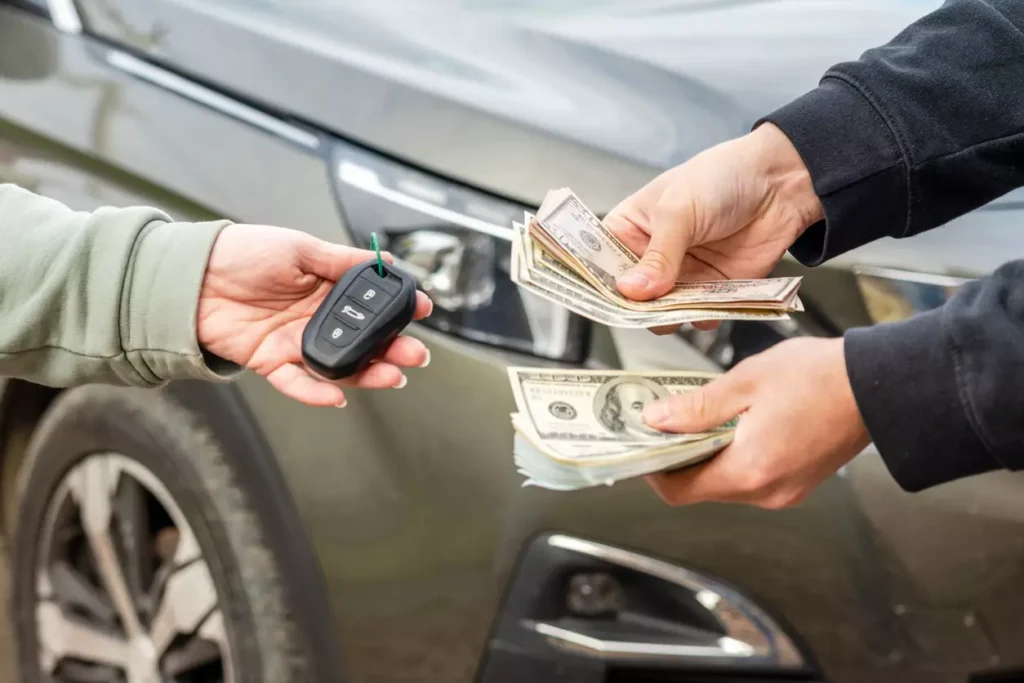
Canadians attempt to sell 1.2 million financed vehicles annually, yet 47% encounter deal-killing delays from lien payout confusion, missing documents, or timing miscalculations that transform simple sales into 30-day ordeals costing thousands in lost opportunities. This comprehensive guide reveals the complex mechanics of selling vehicles with outstanding loans, from obtaining accurate payouts to coordinating fund transfers, providing the roadmap needed to navigate lien releases successfully while avoiding the documentation disasters and timing traps that derail private sales and reduce trade values. Table of Contents: The Problem: Why Selling Financed Vehicles Becomes a Nightmare The Payout Calculation Confusion Vehicle owners discover their loan balance differs from the actual payout amount by hundreds or thousands of dollars, with daily interest accrual, processing fees, and discharge charges creating moving targets that complicate sale negotiations. The lending documentation research reveals payout amounts vary daily by $5-$20 in interest alone, with additional fees ranging from $100-$500 that sellers overlook when calculating net proceeds. The per diem interest trap catches sellers who obtain payout quotes but close sales weeks later, discovering the amount increased by $200-$400 through accumulated interest. Lenders calculate interest daily on outstanding principal, meaning a $20,000 balance at 8% accrues $4.38 daily. Ten-day delays cost $44, twenty days $88, plus potential rate adjustments if payments cross month boundaries. This moving target frustrates buyers who agreed to specific prices based on outdated payout quotes. Payout calculation complications: The discharge fee surprise emerges when sellers discover administrative charges for releasing liens that weren’t disclosed during loan origination. Banks charge $295-$395, credit unions $100-$200, and alternative lenders up to $500 for lien discharge processing. These fees, buried in loan agreements’ fine print, reduce net proceeds unexpectedly. Sellers calculating equity based on simple balance-minus-sale-price math face shortfalls when discharge fees surface during transactions. Timing coordination complexity between obtaining payouts, receiving buyer funds, and processing lender payments creates windows where amounts change. Payout quotes typically expire after 10-30 days. Bank processing takes 3-5 business days. Provincial lien releases require 5-15 days. During these periods, interest accumulates and complications arise. Sellers must orchestrate precise timing to minimize costs while satisfying all parties’ requirements. The Documentation Maze Selling financed vehicles requires assembling documents from multiple sources with specific timing requirements, yet sellers discover missing paperwork, expired validations, or incorrect information only after buyers commit, causing delays or deal failures. The vehicle transfer requirements vary by province, but typically include ownership papers, lien release letters, safety certifications, and disclosure statements that must align perfectly. The lien release letter becomes the critical bottleneck as lenders won’t issue releases until receiving payment, but buyers won’t pay without confirmed clear title. This circular dependency creates trust issues requiring creative solutions. Some lenders provide conditional releases pending payment. Others require funds in trust before documentation. Many refuse any accommodation, forcing sellers to pay off loans before selling—impossible for those needing sale proceeds for payoff. Essential documents for lien sales: The provincial variation in requirements adds complexity for interprovincial sales or buyers unfamiliar with local processes. Ontario’s Used Vehicle Information Package requirements differ from Alberta’s transfer process. Quebec’s documentation varies from BC’s system. Safety inspection validity periods range from 30-90 days between provinces. These variations mean sellers must understand both their provincial requirements and potentially buyers’ provinces for smooth transactions. Document timing synchronization proves challenging when different documents have varying validity periods and acquisition timelines. Safety certificates expire in 36 days in Ontario. Payout letters remain valid 10-30 days. Insurance cancellations need precise timing. Registration transfers must align with sale dates. This document orchestration requires planning that casual sellers rarely anticipate, leading to expired certificates or invalid quotes during closing. The Buyer Trust Barrier Private buyers hesitate purchasing vehicles with liens due to fraud fears, complexity concerns, and horror stories about deals gone wrong, reducing the buyer pool by 60% and forcing price discounts averaging $2,000-$3,000. The fraud prevention data shows vehicle lien fraud costs Canadians $8 million annually, creating justified caution that complicates legitimate sales. The escrow service reluctance from both parties creates standoffs where buyers won’t pay without guaranteed lien release while sellers can’t release liens without payment. Traditional escrow services cost $500-$1,500, eating into proceeds. Lawyer involvement adds complexity and cost. Bank drafts provide no protection if deals fail. This payment coordination challenge eliminates many potential buyers who prefer simpler purchases despite better values from motivated sellers. Trust barriers affecting sales: The delayed registration transfer problem means buyers pay thousands for vehicles they can’t register for weeks while waiting for lien releases. Driving unregistered vehicles risks fines. Insurance complications arise from ownership limbo. Work or travel needs suffer during delays. These practical impacts deter buyers from financed vehicle purchases regardless of price advantages. The inability to provide immediate clear ownership eliminates most cash buyers seeking simple transactions. Verification difficulty allows buyers no easy method to confirm lien payoff actually occurred versus sellers pocketing funds. Provincial lien registries update slowly. Bank confirmations take days. Paper trails can be fabricated. This verification gap between payment and confirmation creates vulnerability windows that cautious buyers avoid. Even honest sellers struggle proving legitimacy when systems don’t provide real-time confirmation methods. The Negative Equity Trap Sellers owing more than vehicle values face impossible situations where they need sales to eliminate payments but lack funds to cover shortfalls, creating circular financial traps affecting 31% of trade attempts. The negative equity analysis reveals average negative equity reaches $7,000 on vehicles less than three years old, requiring cash sellers don’t have to complete sales. The underwater loan mathematics devastate sellers who owe $25,000 on vehicles worth $20,000, needing $5,000 cash to clear liens for sales. Without savings to cover gaps, they can’t sell. Continued ownership means payments, insurance, and depreciation worsening positions. This trap particularly affects buyers who purchased with minimal down payments or extended terms. Every month of continued ownership deepens negative equity through depreciation and interest. Negative equity complications: The refinancing impossibility for underwater loans prevents restructuring that might enable sales. Lenders won’t refinance negative equity without collateral. Personal