
Boat Loans 101: Surveys, Down Payments & Seasonal Rates
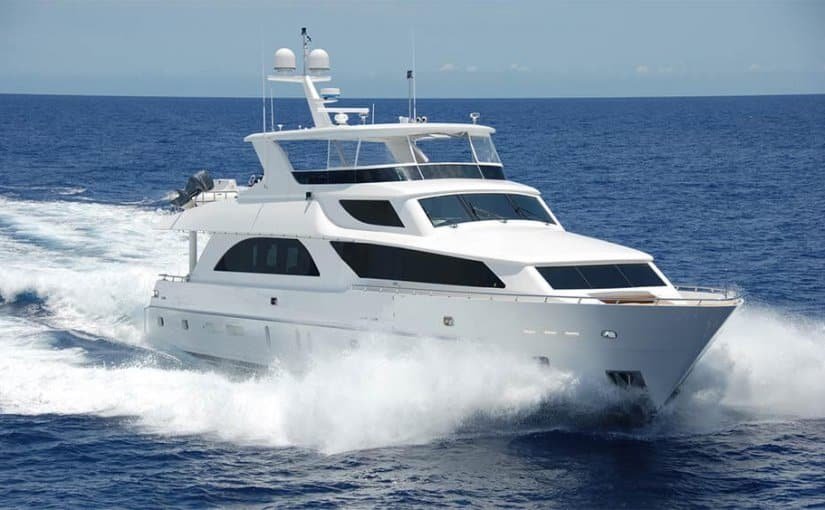
Canadian boat sales exceed $2.8 billion annually across 35,000 transactions, yet 63% of buyers encounter financing surprises from mandatory marine surveys costing $1,500-$3,000, down payment requirements reaching 25-30%, and seasonal rate variations swinging 2-4% that transform dream purchases into financial nightmares. This complete guide reveals the hidden complexities of marine financing, from survey requirements that can kill deals to seasonal strategies saving thousands, providing the knowledge needed to navigate boat loans successfully while avoiding the costly mistakes that sink 41% of first-time boat buyers financially. Table of Contents: The Problem: Why Boat Financing Catches Buyers Off Guard The Marine Survey Shock Boat financing requires professional marine surveys that cost $20-$40 per foot, revealing expensive problems that either kill deals or require thousands in negotiation adjustments, catching buyers who budgeted only for down payments and monthly obligations. The marine surveyor data shows 34% of surveys identify issues exceeding $5,000, with another 28% finding $2,000-$5,000 in required repairs, transforming affordable purchases into budget-breaking propositions. The survey requirement timing creates cash flow crises as buyers must pay $1,500-$3,000 for surveys before loan approval, risking this non-refundable expense on deals that might fail. Banks require surveys within 60 days of purchase, but sellers resist removing boats from water or allowing invasive inspections without committed buyers. This chicken-and-egg problem forces buyers to invest survey costs before knowing if financing or price negotiations will succeed. Failed deals mean eating survey costs repeatedly until successful purchase. Survey complications derailing deals: The survey scope surprises buyers expecting simple inspections but receiving 30-page reports documenting everything from osmotic blistering to engine compression readings. Hull moisture readings, mechanical system evaluation, electrical analysis, safety equipment inspection, and sea trial performance get scrutinized. Minor issues aggregate into major concerns. Twenty small deficiencies at $200 each suddenly require $4,000 in repairs. These comprehensive evaluations protect lenders but shock buyers unprepared for such detailed scrutiny. Insurance survey conflicts arise when marine insurers require different survey standards than lenders, forcing duplicate inspections or enhanced evaluations costing more. Transport Canada compliance surveys for commercial use, insurance condition surveys for coverage, and finance valuation surveys for lending might all be required. Each survey type costs $1,000-$2,500 with different inspectors needed. This survey multiplication wasn’t budgeted, adding $5,000+ to purchase costs while delaying closings. The Down Payment Devastation Marine lenders require 20-30% minimum down payments compared to 10-15% for vehicles, with older boats, high-performance models, and larger vessels demanding even more, destroying assumptions about financing availability. The marine lending criteria indicates boats over 10 years old require 30% minimum, performance boats need 35%, and vessels over 40 feet demand 25-40% down depending on type and value. The age penalty structure punishes older boat purchases through elevated down payment requirements that make affordable vessels inaccessible. A 15-year-old $30,000 cruiser requiring 35% down needs $10,500 upfront versus $4,500 for newer models. This age discrimination forces buyers toward expensive newer boats they cannot afford or abandons purchases entirely. The irony that well-maintained older boats often provide better value gets ignored by rigid lending criteria focused on age rather than condition. Down payment barriers by boat type: The valuation gap between purchase price and lender assessment creates additional down payment requirements when surveys or book values come in low. Buying a $50,000 boat that appraises at $42,000 requires covering the $8,000 gap plus percentage down payment on approved amount. This might mean $18,000 total down payment for a $50,000 purchase—36% of price. These valuation surprises appear after survey costs and deposit commitments, trapping buyers who cannot cover gaps. Cash source restrictions limit down payment options as marine lenders scrutinize funds more strictly than auto financiers. Gifts require extensive documentation. Borrowed funds get rejected. Recent large deposits need explanation. RRSP withdrawals affect debt ratios. Cryptocurrency conversions raise flags. These restrictions mean buyers with adequate assets might still fail down payment requirements due to source issues rather than amount problems. The Seasonal Rate Rollercoaster Boat loan rates fluctuate 2-4% seasonally with spring peaks and fall valleys, yet buyers shop during high-demand periods paying premium rates that cost thousands over loan terms. The seasonal rate analysis reveals April-June rates average 9-11% while September-November drops to 6-8%, representing $15,000-$25,000 difference in interest over typical loans. The spring fever phenomenon drives rates higher as demand peaks with warming weather creating lender’s markets. Everyone wants boats for summer, enabling lenders to charge premiums. Limited inventory further pressures buyers into accepting whatever financing enables purchases. Dealers know urgency and push hard. This perfect storm of demand, limited supply, and emotional pressure creates the worst possible financing conditions precisely when most shop. Seasonal rate variations impacting costs: The inventory dynamics between seasons affect both prices and financing as fall sellers need to move inventory before winter storage costs. Dealers facing carrying costs offer better financing terms. Manufacturers provide incentives clearing model years. Private sellers become negotiable approaching winter. These dynamics create opportunities for patient buyers while penalizing spring shoppers. Yet emotional boat buying rarely follows logical timing. Weather-dependent valuation affects loan-to-value ratios and rates as boats in water show better than wrapped in tarps on cradles. Spring boats present optimally, supporting higher valuations and better financing. Fall boats out of water for inspection reveal issues hidden during season. Winter storage makes evaluation difficult. These presentation factors affect both purchase negotiations and financing terms, creating another seasonal variable buyers overlook. The Multi-Cost Multiplication Boat ownership involves marina fees, insurance, maintenance, storage, and equipment costs that collectively exceed loan payments, with unprepared buyers facing $15,000-$25,000 annual costs for $50,000 boats they thought would cost $500 monthly. The ownership cost studies document average annual costs reaching 15-20% of boat value, meaning financing payments represent only 40% of true ownership expenses. Marina and mooring fees shock buyers from non-boating backgrounds who didn’t realize boats need expensive homes. Seasonal slips cost $3,000-$8,000 for 6 months. Year-round docks reach $10,000-$15,000. Mooring balls run $2,000-$4,000. Transient docking adds hundreds per trip. These costs weren’t mentioned during sales but become immediate necessities. Waiting lists mean paying premium